


Frequently Asked Questions about Car Accidents
You should never admit fault or accept an offer after a car accident, until you have been medically treated and released from care. In addition, click on this link to learn more about what insurance steps should be taken after a car accident.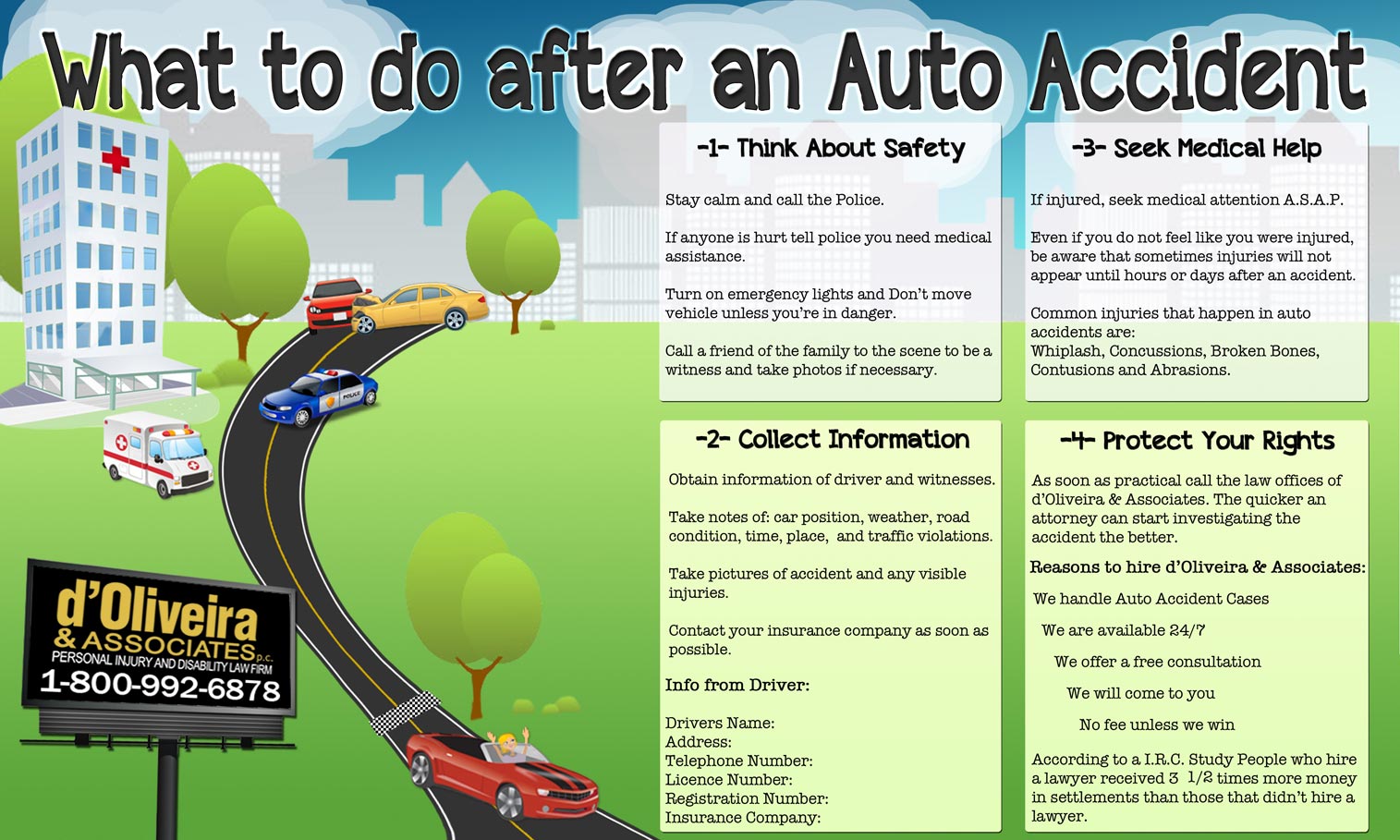
The most common injuries after a car accident are in the back and neck.
If the other driver is uninsured or under-insured, your own policy will cover you with the uninsured motorist insurance coverage provision of your policy.
You may be able to receive compensation after a car accident for your medical bills, lost wages, pain and suffering and other losses. Click here to learn more about how much is my injury case worth. 
If the other driver is uninsured, than the vehicle you were in should have under-insurance insurance coverage. If not, you may look to insurance policies in your household.
If the accident is your fault, your insurance company will pay for your damages if you have collision coverage. If you were not at fault for the accident, the other driver’s insurance company will pay for repairs or replace the vehicle if your car was totaled. 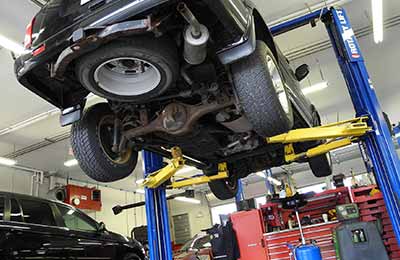
Some good evidence to gather from a car accident is pictures from the scene, witness testimony and the police report.
Depending on your insurance policy, either your insurance company will provide a rental car or the other party’s insurance company will if you were not at fault for the accident.
Personal injury lawyers work on a contingency fee basis, which means they only get paid if they win your case and obtain a settlement or award on your behalf.
The insurance companies will assign a percentage of fault from the car accident to each party. The higher percentage driver will be considered at fault.
No. Each state has its own different set of car accident laws. In Rhode Island, you can recover the percentage you were not at fault, while Massachusetts states someone can only recover if the other driver was 51% or more at fault.