



An accident aboard a cruise ship, whether it happens on a gangway in Providence Harbor or out on Narragansett Bay, can leave you facing painful injuries, unexpected medical bills, and serious disruption to your family and livelihood. These cases are uniquely difficult because they occur in crowded ports, on open water, or within complex corporate operations where important evidence is not easily obtained. Passengers often feel powerless when dealing with cruise lines and vendors that have extensive legal resources working against them.
At d’Oliveira & Associates, our attorneys have more than three decades of experience holding corporations accountable and pursuing compensation for victims of horrific accidents. We know the law that applies to these cases, and we put that knowledge to work with determination and focus. Below, you will find key information about cruise ship accident claims in Rhode Island, including how these accidents occur, who may be legally responsible, what laws apply, the categories of compensation available, and how an experienced Rhode Island cruise ship accident lawyer can fight to protect your rights and pursue justice on your behalf.
Major Types of Cruise Ship Accidents You Need to Know About
Slip and Fall Accidents on Decks and Walkways — Slipping and tripping are among the most common cruise ship accidents. Decks often get wet from ocean spray, rain, or spilled drinks, and narrow walkways become crowded during busy hours. Poor lighting or uneven steps can also add to the risk.
Swimming Pool and Water Slide Accidents — Pools and slides bring fun but also danger. Wet surfaces around the pool are slippery, and diving into shallow areas can cause head or neck trauma. Slides can send riders into the water at awkward angles, leading to bruises or fractures.
Shore Excursion Accidents — Excursions arranged as part of the cruise often involve boats, buses, or walking tours around local attractions. In Providence Harbor and Narragansett Bay, water activities and sightseeing are popular, but they carry risks.
Food Poisoning and Illness Outbreaks on Cruise Ships— Cruise kitchens prepare thousands of meals each day, and if food is handled or stored improperly, passengers may develop food poisoning. Stomach illnesses, such as norovirus, also spread quickly in the close quarters of a cruise ship.
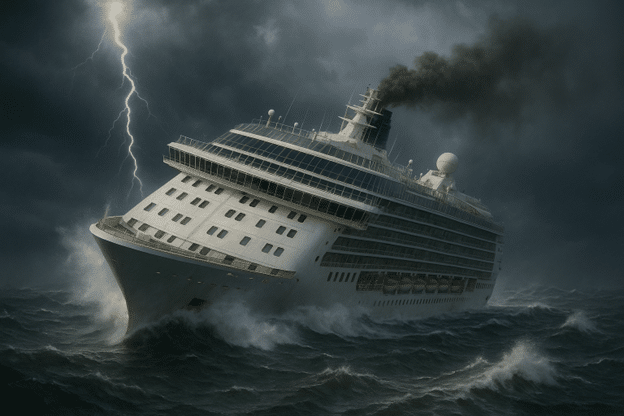
Fires and Mechanical Failures — Ships depend on large engines, complex wiring, and safety systems. When these fail, serious problems can follow. Fires may start in the engine room or from electrical malfunctions, spreading smoke rapidly through cabins and hallways.
Collisions, Groundings, and Sinking Events — Large ships navigating busy waterways like Narragansett Bay face the risk of collisions with docks, rocks, or other vessels. The impact of even a minor collision can knock passengers to the ground, causing bruises, fractures, or head injuries.
Falling Overboard or Man-Overboard Accidents — Few accidents are more life-threatening than falling overboard. Whether from rough seas, faulty railings, or simple loss of balance, a fall into the ocean places you at immediate risk of drowning or hypothermia.
Assaults or Crimes Onboard — Cruise ships are like floating cities, and crimes sometimes occur on cruise ships. Theft, harassment, and assaults have all been reported. Being harmed in a confined space at sea can be especially traumatic, since you may feel isolated and unable to avoid the person responsible.
Medical Negligence in Cruise Ship Infirmaries — Most cruise ships have medical staff and basic infirmaries, but they may lack the equipment or specialists needed for emergencies. Misdiagnoses, medication errors, or delays in treatment can turn small medical issues into serious problems.
Where Cruise Ship Accidents Happen in Rhode Island
Port of Providence Accidents — Many cruise ship accidents happen at the Port of Providence, Rhode Island’s largest commercial port. The areas where passengers check in, board, and leave can be crowded and slippery. Gangways, ramps, and luggage areas are all common spots for falls or collisions if safety is not carefully maintained.
Narragansett Bay Waters — When ships move through Narragansett Bay, there is heavy boat traffic, unpredictable currents, and shifting weather conditions. Collisions, sudden swerves, or docking mistakes in these waters can cause injuries, especially during the busy summer and fall travel seasons.
Newport Harbor and Docks — Newport, Rhode Island is one of the busiest cruise ship destinations in Rhode Island. Passengers often board smaller vessels to reach larger ships anchored offshore. These transfers, along with crowded Newport, RI docks and piers, create risks for falls and other injuries.
Harbor Walkways and Piers — Walkways and piers throughout Rhode Island’s coastal cities, including Providence, Newport, and Galilee, can be accident-prone. Wet surfaces, uneven boards, or loose railings may lead to trips and falls. These areas are often busy with both tourists and workers.
Entertainment and Dining Areas by the Water — Popular waterfront districts in Providence, Newport, and other Rhode Island towns draw large numbers of passengers before and after cruises. Restaurants, shops, and bars near the harbors can be crowded, and accidents like spills, slips, or crowd-related falls frequently occur.
Excursion Departure Points — Many cruise packages in Rhode Island include excursions that begin at local harbors. Boarding smaller boats or buses for these trips carries its own risks. Slips when stepping on or off, sudden movements, or poor supervision can all lead to injuries.
Parking Lots and Shuttle Areas — From Providence to Newport and other port towns, parking areas and shuttle drop-off zones pose risks of accidents. Poor lighting, uneven pavement, or vehicle traffic can cause harm before passengers even set foot on a ship.
Waiting Areas and Terminals — Cruise terminals across Rhode Island, particularly in Providence and Newport, can be hazardous. Long lines, heavy luggage, and large crowds create opportunities for passengers to trip, get bumped, or suffer strain injuries. These accidents are more common when multiple ships are docked at once.
Types of Injuries from Cruise Ship Accidents:
Slip and Fall Injuries — Wet decks, dark staircases, or crowded walkways often result in slip and falls, leading to bruises, sprains, or broken bones.
Foodborne Illness — Contaminated food or water can spread illnesses like norovirus. These outbreaks cause severe stomach pain, vomiting, and dehydration.
Head and Spinal Injuries — A sudden fall may cause concussions, herniated discs, or spinal cord damage.

Broken Bones — Rough seas and slippery floors often cause fractured wrists, legs, or hips.
Soft Tissue Damage — Strains, sprains, and ligament tears happen when you twist or fall awkwardly.
Drowning and Near-Drowning — Pools, hot tubs, or overboard falls can cut off oxygen to the brain. Survivors may face permanent cognitive or memory problems.
Burn Injuries — Fires, overheated showers, or hot kitchen spills can cause burns that range from minor to life-threatening.
Crush Injuries — Heavy doors, docking gear, or shifting cargo may trap passengers. These accidents can lead to internal bleeding, nerve damage, or even amputations.
Psychological Trauma — Living through collisions, fires, or medical crises at sea can trigger PTSD, anxiety, or depression that continues long after the trip ends.
Eye and Hearing Injuries — Harsh chemicals, debris, or loud engines may cause vision loss or permanent hearing damage.
Cruise lines have a responsibility to ensure that there are no dangerous conditions on board that may cause serious injury to passengers. When an accident occurs on board the vessel due to poor maintenance, incompetent staff members, or improperly trained employees, the owners of the ship can be held legally responsible on negligence grounds. Owners may also be held liable in instances where there is inadequate safety equipment, insufficient emergency precautions, and an accident occurs as a result.
Major Cruise Lines Operating in Rhode Island:
Carnival Cruise Line — One of the largest cruise operators in the world, Carnival runs massive ships that sometimes include Rhode Island on New England and Canada routes. Its vessels are known for carrying thousands of passengers at once, making port calls crowded and difficult to manage.
Royal Caribbean International — Operates some of the biggest cruise ships afloat, several of which call at Newport. These ships emphasize volume over intimacy, and their enormous size can strain smaller ports like those in Rhode Island.
Norwegian Cruise Line — Regularly brings large ships into Newport as part of Bermuda or Canada itineraries. Its vessels are aging in parts of the fleet, and the focus is often on fitting in as many passengers as possible.
Princess Cruises — Uses older ocean liners for seasonal Canada–New England runs. The company schedules stops in Rhode Island but relies on ships that have been in service for decades.
Holland America Line — Sends midsize, often older ships into Narragansett Bay. The line markets itself as classic, but its fleet is far from modern.
Celebrity Cruises — Owned by Royal Caribbean, Celebrity sends ships into Newport as part of its East Coast tours. The fleet is marketed as upscale but faces the same wear-and-tear issues as others.
Oceania Cruises — Smaller luxury ships frequently dock in Newport. Many of these vessels are older refits rather than brand-new builds, still carrying hundreds of passengers.
Regent Seven Seas Cruises — Positions itself as luxury but sails older, smaller ships. Rhode Island is a regular stop on its seasonal itineraries.
Viking Ocean Cruises — Midsized ships marketed as cultural or educational often appear in Newport. Despite being newer, these vessels still bring several hundred passengers to small ports.
American Cruise Lines — Runs small coastal vessels and riverboats that include Providence and Newport. While smaller than global lines, they operate frequently and bring steady traffic.
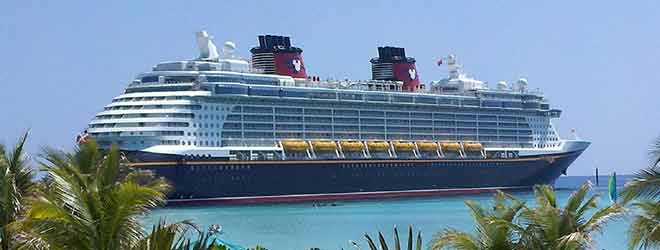
Disney Cruise Line — Occasionally routes family-focused ships into Rhode Island. Though designed for children and families, the vessels are still large ocean liners that crowd limited port facilities.
Silversea Cruises — Runs small upscale ships on transatlantic and coastal routes. Newport is often included, but the company relies on older luxury vessels that require constant upkeep.
Costa Cruises — European-based line that sometimes schedules extended itineraries into New England. Its massive ships, when present, overwhelm smaller harbors like Newport.
The cruise ship industry places a number of restrictions on when and where passengers can make a claim. These limitations may not be known to most passengers, as they are generally contained in the fine print of the tickets. The limitations in the fine print may require that you report your injury within a certain window of time, file your claim within a specific time period, file in a specific county of a specific state, and even file your lawsuit within a specific court. Given the complex nature of industry regulations, you are wise to choose an experienced attorney who is familiar with this area of law.
Who Can Be Held Responsible for a Cruise Ship Accident in Rhode Island?
Cruise Line Companies — Under federal maritime law, cruise operators owe passengers a duty of “reasonable care under the circumstances” (see Kermarec v. Compagnie Générale Transatlantique, 358 U.S. 625 (1959)). They must maintain safe premises, warn passengers of known dangers, and ensure proper training of staff. If the company breaches this duty, it can be held liable for passenger injuries. Additionally, the Cruise Vessel Security and Safety Act of 2010 (46 U.S.C. § 3507 and 46 U.S.C. § 3508) requires cruise ships to implement safety measures (e.g., handrails, security logs, crime reporting) — failure to comply may strengthen a negligence claim.
Ship Owners and Operators — If the vessel’s legal owner is different from the operating company, both can be responsible. Under 46 U.S.C. § 30505, a shipowner is liable for negligence but may attempt to limit liability to the value of the vessel — though courts often deny limitation where there’s evidence of fault or knowledge of unsafe conditions.
Crew Members and Staff — While passengers usually sue the cruise line directly, crew negligence can create vicarious liability for the employer. If a staff member’s careless conduct causes harm (e.g., improper maintenance, unsafe excursion guidance, or serving contaminated food), the cruise line is generally held accountable.
Third-Party Vendors — Cruise lines often outsource excursions, catering, or entertainment. If a Rhode Island–based vendor (or another third-party contractor) negligently causes an injury, passengers may bring a claim directly against them under R.I. Gen. Laws § 9-1-2, which provides a civil cause of action for damages resulting from negligence.
Work-Related Injuries — Seamen may recover under the Jones Act (46 U.S.C. § 30104) for employer negligence, claim unseaworthiness for unsafe vessel conditions, and receive maintenance and cure regardless of fault; non-seamen maritime workers are instead covered by the Longshore and Harbor Workers’ Compensation Act (33 U.S.C. §§ 901–950), which provides compensation and benefits for job-related injuries.
Liability Based on Passenger Ticket Contracts —A passenger ticket contract is a binding agreement made when purchasing a cruise ticket. It sets out the rights and obligations of both the passenger and the cruise line, typically favoring the cruise line. Common provisions include forum selection clauses requiring lawsuits in the cruise line’s chosen location (often its headquarters), choice of law terms dictating which jurisdiction’s laws apply, and shortened deadlines for filing claims, limiting passengers’ legal options in case of disputes or accidents.
Frequently Asked Questions About Rhode Island Cruise Ship Accidents
After a cruise ship accident, get medical help right away, report the incident to staff, and gather photos, names, and records. These steps protect your health and preserve evidence that may be critical under Rhode Island’s negligence laws.
If your cruise ship injury was caused by unsafe conditions, poor maintenance, or negligence, you may have a claim. A Rhode Island cruise ship accident attorney can review your situation and explain whether state law supports a pursuit of damages.
Following a cruise ship accident, you may initially cover costs yourself, but negligent parties can be held financially responsible under Rhode Island law. Claims can include emergency treatment, rehabilitation, and future medical needs tied directly to the accident.
Yes, a cruise line may be sued if negligence caused your injury. A Rhode Island cruise ship injury lawyer can help investigate, gather evidence, and file suit when necessary.
For federal cruise ship accident claims, the general statute of limitations under maritime law is 3 years from the date of the injury (46 U.S.C. § 30106). Rhode Island law gives you three years to file a cruise ship injury claim under General Laws § 9-1-14. Missing this window means losing your rights, so it is critical to act quickly after an accident.
Most Rhode Island cruise ship accident lawyers work on contingency, meaning no upfront fees. You only pay if compensation is recovered. This makes it possible for victims to pursue justice without worrying about the financial risk of starting a case.
Contact a Rhode Island Cruise Ship Injury Attorney

When you are injured in a cruise ship accident, the aftermath can feel overwhelming. Unlike an ordinary slip and fall or motor vehicle crash, these cases often involve large cruise lines, contracted vendors, and insurers who are focused on protecting their interests, not yours. Injuries from cruise ship accidents are often severe—head trauma, broken bones, spinal damage, or infections from unsafe conditions—and victims frequently face long recoveries.
For more than 35 years, the attorneys at d’Oliveira & Associates have represented Rhode Islanders in complex personal injury cases, including those involving cruise ship accidents in Providence and surrounding waters. Each of our lawyers has decades of experience standing up to insurers and corporations. We know how to gather the right evidence and press for meaningful results. If you or someone close to you has been harmed, contact d’Oliveira & Associates by calling (401) 200-3849 or reaching out online for a free consultation with an experienced Rhode Island cruise ship accident lawyer who can explain your legal rights and options.