


The emergence and mass scale-use of lithium-ion batteries have made everyday tasks more convenient and enhanced traditional bicycle transportation. After a 90% reduction in costs began around 2010, the technology has led to the prevalence of E-bikes and e-scooters, with smartphones, laptops, vape pens, and cordless power tools all using this technology to deliver long-lasting, rechargeable energy. However, when these batteries are designed, manufactured, or sold with defects, they can overheat, ignite, or explode with little to no warning. The resulting burns, smoke inhalation injuries, and property damage can be severe and life-altering.
Victims of lithium-ion battery fires often face expensive medical treatment, permanent scarring, lost income, and the emotional toll of a sudden and violent injury. Understanding your legal options for severe burns is an important step toward recovering the compensation you need to move forward.
How Lithium-Ion Batteries Cause Fires and Explosions
Lithium-ion batteries store a large amount of energy in a small space. This makes them efficient, but it also means that a defect or malfunction can trigger a dangerous chain reaction called thermal runaway. During thermal runaway, the battery cell heats uncontrollably, releasing flammable gases that can ignite or cause an explosion.
Common causes of lithium-ion battery failures include:
- Manufacturing Defects: Contamination during production, poor quality control, or damaged internal components can create weak points in a battery cell. These defects may not be visible from the outside, leaving consumers unaware of the danger until the battery fails.
- Design Flaws: Some batteries are designed without adequate protection against overcharging, short circuits, or physical damage. A poor design can make a battery inherently unstable, regardless of how carefully it is used.
- Charging Equipment Problems: Using an incompatible charger, a damaged charging cord, or an overloaded outlet can push a battery beyond its safe limits. Counterfeit or third-party chargers sold without proper safety testing are a frequent culprit in e-bike and e-scooter fires.
- Damaged or Aging Batteries: Batteries that have been dropped, punctured, exposed to extreme temperatures, or used well beyond their intended lifespan are more prone to failure.
- Improper Storage and Charging Practices: Charging devices on flammable surfaces, leaving batteries plugged in unattended for extended periods, or storing damaged batteries in enclosed spaces can increase the risk of fire.
Devices Most Commonly Linked to Battery Fires
- E-Bikes and E-Scooters: The rise in popularity of electric bikes and scooters throughout Providence, Worcester, Boston, and surrounding communities has brought a corresponding rise in battery fire incidents. These devices use large battery packs that store significant energy, and fires involving e-bikes tend to spread quickly and burn at extremely high temperatures.
- Smartphones and Laptops: A phone or laptop battery that swells, overheats, or catches fire can cause serious burns to the hands, face, and body, particularly when the device is in a pocket or being held at the time of failure.
- Cordless Power Tools: Battery packs used in drills, saws, and other power tools are subjected to heavy daily use and physical impact on job sites, increasing the likelihood of internal damage that can lead to failure.
- Vape Pens and E-Cigarettes: Vape pen explosions have caused facial injuries, dental damage, and severe burns to users across Rhode Island and Massachusetts.
- Hoverboards and Children’s Electronics: Products marketed toward children and teens have been the subject of numerous recalls due to battery fire risks, raising particular concern for families.
Injuries Associated With Lithium-Ion Battery Failures
A battery fire or explosion can happen in an instant, but the injuries it causes often require months or years of treatment. Common injuries include:
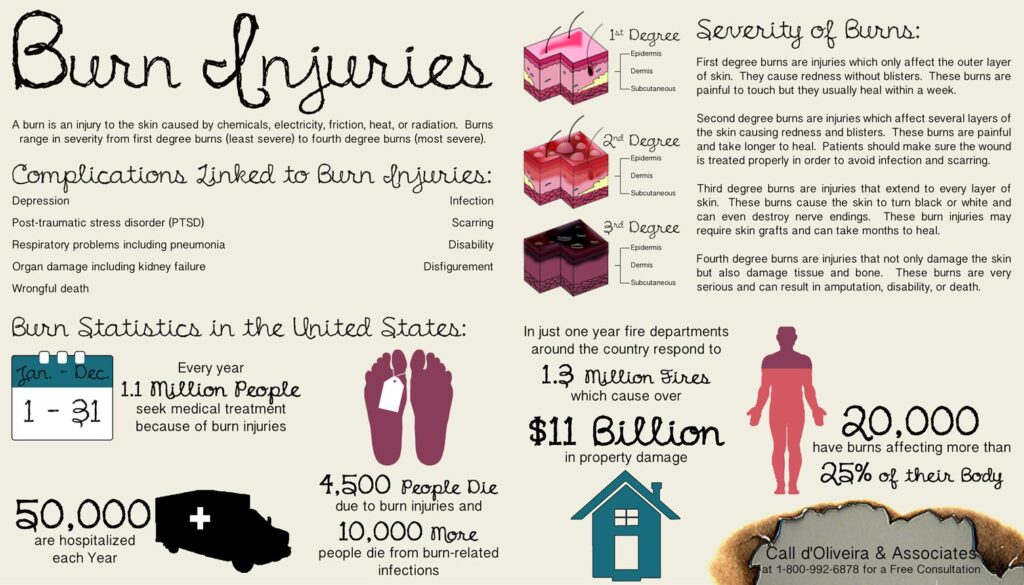
- Second- and third-degree burns
- Smoke inhalation and respiratory damage
- Chemical burns from battery electrolyte leakage
- Facial and eye injuries from explosions
- Permanent scarring and disfigurement
- House fires resulting in significant property loss
- Injuries to bystanders, including children and pets
Burn injuries in particular often require skin grafting, reconstructive surgery, and long-term physical therapy. The financial and emotional impact on victims and their families can be substantial.
Who Can Be Held Responsible for Lithium-Ion Battery Injuries
Product liability claims involving defective lithium-ion batteries may involve several potentially responsible parties, including:
- The battery manufacturer
- The company that designed or manufactured the device
- The retailer that sold the product
- The manufacturer of a third-party charger or charging cable
- A distributor or importer of counterfeit battery products
Massachusetts and Rhode Island both recognize legal theories that allow injured consumers to pursue product liability compensation from manufacturers and sellers of defective products, including claims based on design defects, manufacturing defects, and failure to warn consumers of known risks.
Compensation Available to Battery Fire Victims
Victims of lithium-ion battery explosions and fires may be entitled to compensation for:
- Emergency medical treatment and hospitalization
- Surgery, skin grafts, and reconstructive procedures
- Ongoing physical therapy and rehabilitation
- Lost wages and diminished earning capacity
- Property damage, including damage to homes or vehicles
- Pain and suffering
- Scarring and disfigurement
- Wrongful death, in cases resulting in a fatality
Steps to Take After a Battery Fire or Explosion Injury
Taking these steps can help ensure battery fire victims receive the medical attention necessary to begin recovery and receive the product liability settlement they deserve:
- Seek medical attention immediately
Burn injuries and smoke inhalation can worsen quickly and require prompt evaluation.
- Preserve the device and battery
Do not discard the product, charger, or any related components. This evidence is critical to identifying the cause of the failure.
- Take photographs
Document your injuries, the device, the scene of the incident, and any property damage.
- Identify the make and model
Note the brand, model number, and place of purchase of the device and battery.
- Avoid speaking with insurance adjusters or manufacturers before consulting an attorney
Statements made early on can be used to minimize your claim.
- Contact a product liability attorney
An early investigation helps preserve evidence before it is lost, altered, or discarded.
Frequently Asked Questions on Injuries From Lithium-ion Battery Fires
Store it safely away from flammable materials and do not attempt to repair or dispose of it. The device itself often serves as key evidence in determining the cause of the failure.
Yes. Claims can often be brought against the manufacturer or seller of a counterfeit or defective charging product, in addition to the original device manufacturer.
Rhode Island generally allows three years from the date of injury to file a personal injury claim under R.I. Gen. Laws § 9-1-14. Massachusetts generally allows three years as well, though deadlines can vary depending on the circumstances of the case. Consulting an attorney promptly helps protect your right to file within the applicable deadline.
Property damage may be recoverable alongside injury-related damages. An attorney can evaluate the full scope of your losses.
No. Consultations are free, and there is no fee unless we win your case.
Injured by a Defective Battery? Contact a Product Liability Lawyer Today
A lithium-ion battery fire can turn an ordinary moment into a life-changing emergency. If you or a loved one has been injured by a defective e-bike, phone, power tool, or other battery-powered device, our product liability attorneys at d’Oliveira & Associates are ready to fight for the compensation you deserve.

With 19 office locations across Rhode Island and Massachusetts, we make it easy to get the personal attention your case deserves, close to home. We offer free consultations, we are available 24/7, and we never charge a fee unless we win your case. Call us at 1-800-992-6878 today or request your free case consultation online.
Sources
- https://www.iea.org/reports/batteries-and-secure-energy-transitions/executive-summary
- https://malegislature.gov/Laws/GeneralLaws/PartI/TitleXV/Chapter106/Article2/Section2-314

📞 (401) 200-3849 | 🌐 www.good-legal-advice.com