

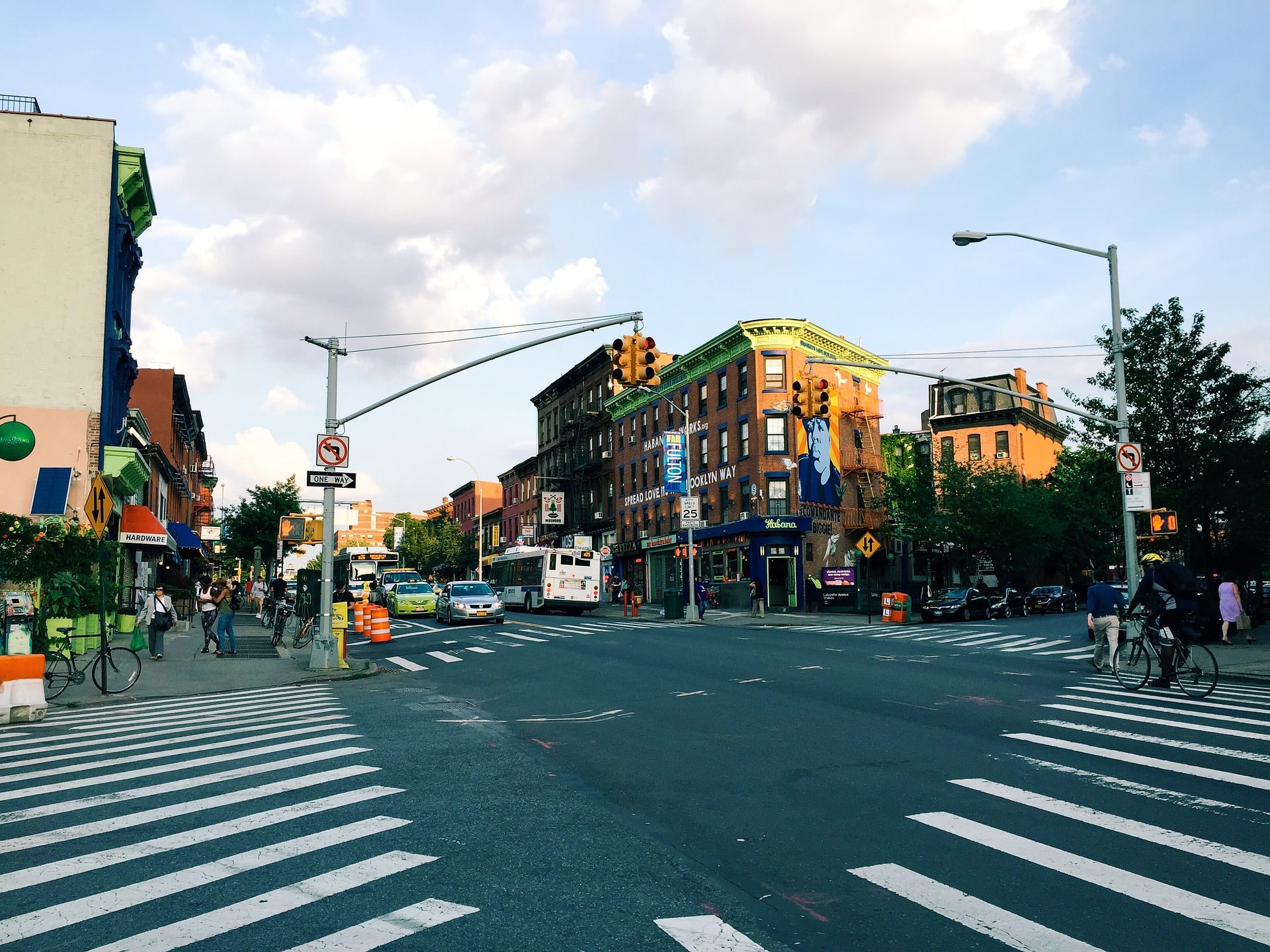
Navigating the roadways around the Worcester area involves traversing a network of convoluted intersections, hilly terrain, poorly-placed signage, and aggressive drivers that can turn any quick trip or daily commute into a dangerous endeavor. But what exactly makes the area so prone to car accidents? Understanding the factors that converge to make the most dangerous intersections in Worcester, Massachusetts, can help drivers feel more confident as they try to avoid becoming another statistic.
A recent LendingTree.com study found that 59.5% of fatal crashes in the U.S. occurred in urban areas, but the highest percentage is in Massachusetts at 95.4%. It’s no coincidence that these statistics demonstrate the dangers of urban areas with packed cars, pedestrians, cyclists, delivery trucks, buses, and ride-shares in the same tight corridors.
For Worcester drivers, this is amplified due to the city’s outdated street grid, which creates an unusually high number of intersections relative to its size. In a city nicknamed the “City of the Seven Hills,” driving hazards are part of the landscape, creating the perfect storm of hilly terrain and dense urban infrastructure that makes hiring a Worcester car accident lawyer a necessity for so many commuters.
Why Some Intersections in Worcester See More Accidents Than Others
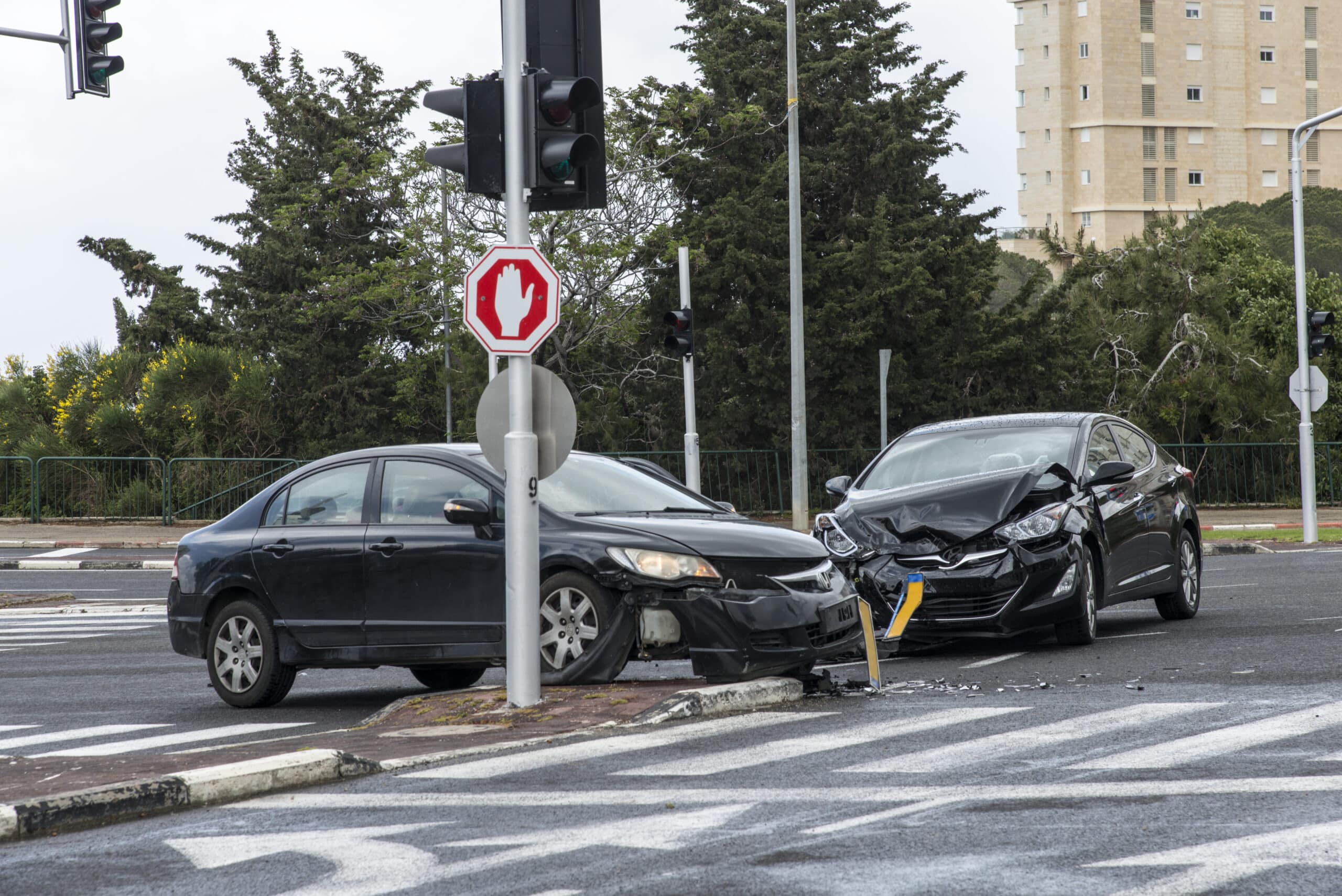
Not all intersections are created equal. A clean, four-way intersection with good sight-lines is generally considered safe for drivers since the more a driver has to think at an intersection, the more likely an error becomes. Unfortunately, the Worcester area has relatively few of those. Instead, it has:
- Acute-angle intersections where roads meet at sharp diagonals, creating confusing entry angles and blind spots
- Five- and six-way intersections where drivers face multiple simultaneous conflict points and can’t process all the information fast enough
- Offset intersections where opposing roads don’t quite line up, forcing drivers to make two movements instead of one
- Staggered T-intersections that create ambiguous right-of-way situations
So it’s not surprising to see Worcester among three Massachusetts cities, including Boston and Springfield, that rank in the five riskiest cities for drivers in the entire country, according to Allstate’s 2025 America’s Best Drivers Report. Worcester ranks 197th, with drivers averaging just 4.26 years between crashes, making them more than twice as likely to be involved in a collision as the average American driver.
Kelley Square: A High-Risk Intersection in Worcester
Kelley Square remains notorious as one of the most dangerous and confusing intersections in Massachusetts for several reasons. The convoluted nature of the intersection stems from being constructed as an irregular, uncontrolled merge point where over eight roads converge at odd angles, including Franklin Street, Millbury Street, Green Street, Lamartine Street, and several others. There’s no clear right-of-way, and the shape creates unpredictable traffic flow, increasing the likelihood of collisions between confused drivers.
For most of its history, Kelley Square operated without traffic lights or stop signs. Drivers had to negotiate the intersection without formal rules until a few years ago, when the city of Worcester undertook a major reconstruction project that added traffic signals, better lane markings, and improved pedestrian infrastructure. While drastically improved, it remains a challenging intersection and an example of how unplanned road development can create a genuinely hazardous traffic environment.
Park Avenue and Chandler Street: Heavy Traffic and Frequent Collisions
Park Avenue and Chandler Street are two of Worcester’s most congested and collision-prone corridors for several interconnected reasons. Both streets are lined with strip malls, plazas, restaurants, gas stations, and retail shops. This generates a series of driveways and curb cuts every few hundred feet, so vehicles are constantly entering and exiting traffic at unpredictable points, creating frequent conflict zones.
Park Avenue and Chandler Street were also designed decades ago for much lower traffic volumes. The lane widths, turning radius, and intersection spacing haven’t kept pace with the development added along the corridors over the years. The traffic lights along these corridors are poorly synchronized, creating stop-and-go conditions that increase the risk of rear-end collisions and driver frustration.
As streets along WRTA bus routes, Park Avenue and Chandler Street are heavily walkable commercial areas with schools and residential neighborhoods nearby. Buses making frequent stops slow traffic and create merging conflicts when pulling back into the travel lane, while pedestrians crossing poorly marked crosswalks frequently disrupt moving traffic.
Lincoln Street and Burncoat Street: A Busy Commuter Corridor
Lincoln Street and Burncoat Street form one of Worcester’s most heavily traveled commuter corridors. Lincoln Street (Route 9) serves as a primary connector between downtown Worcester and the northwestern suburbs, enabling thousands of suburban commuters to funnel through this corridor daily to reach jobs in the city. Lincoln Street also connects to several important regional roads, including Route 12, which feeds into the broader Route 9 corridor, making it a logical choice for commuters traveling between Worcester and nearby towns.
The Burncoat and Greendale neighborhoods along this corridor are among Worcester’s more densely populated residential areas. The sheer number of households in proximity generates substantial commuter traffic from local residents alone. Unlike some parts of Worcester that have Interstate 290 or Route 146 as bypass options, the northwest side of the city has limited highway infrastructure, forcing many commuters onto surface streets like Lincoln and Burncoat.
Belmont Street and Plantation Street Near UMass Memorial
Belmont Street and Plantation Street near UMass Memorial Medical Center are considered among Worcester’s most dangerous intersections for a combination of structural, behavioral, and land-use reasons. UMass Memorial is one of the largest employers in Worcester and a major regional medical center. The UMass Medical School campus also sits directly in this area, adding student, faculty, and staff traffic on top of the already heavy hospital-generated volumes.
With a nearby major trauma center, emergency vehicles enter and exit the area frequently at high speeds. Drivers navigating the intersection must react to sirens and lights from multiple directions, leading to sudden braking and evasive maneuvers that increase the risk of rear-end and sideswipe collisions.
Belmont Street also carries substantial through traffic connecting different parts of Worcester, meaning drivers are often traveling at higher speeds when they encounter the slower, more complex conditions near the medical campus. Multiple hospital parking structures and surface lots along this corridor also generate constant streams of vehicles entering and exiting at points that conflict with through traffic.
How a Worcester Auto Accident Lawyer Can Help After a Crash
Massachusetts roads, particularly in urban areas like Worcester, have proven more dangerous, and when a collision happens, it’s rarely just bad luck. It’s the result of dangerous road conditions, poorly designed infrastructure, and, in many cases, another driver’s negligence. For those injured in a car accident at any of the most dangerous intersections in Worcester, Massachusetts, there are laws to ensure proper compensation can be awarded.
A Massachusetts auto accident lawyer can advise victims on the critical steps to take immediately after a collision, including what to say and what not to say to insurance companies, how to preserve evidence, and how to document injuries and damages properly from the very beginning. An experienced auto accident attorney in Worcester can also help determine who was at fault, what the claim is worth, and how to pursue the full compensation car accident victims are entitled to under Massachusetts law.

d’Oliveira & Associates brings decades of experience fighting for auto accident victims throughout Worcester, MA. With a local law office in Worcester, our personal injury lawyers in Massachusetts are always within reach. Contact us toll-free at (800) 992-6878 for a free case evaluation, or complete our no-obligation legal contact form today.
Worcester Personal Injury Lawyer / d’Oliveira & Associates
120 Stafford Street (Unit 5)
Worcester, MA 01603
(508) 490-5955
Sources
- Fatal Crashes Spike 19.4% in Urban Areas
- City officials declare ‘road safety and traffic violence crisis’
- Allstate’s 2025 America’s Best Drivers Report® reveals the safest and riskiest driving cities
📞 (401) 200-3849 | 🌐 www.good-legal-advice.com