

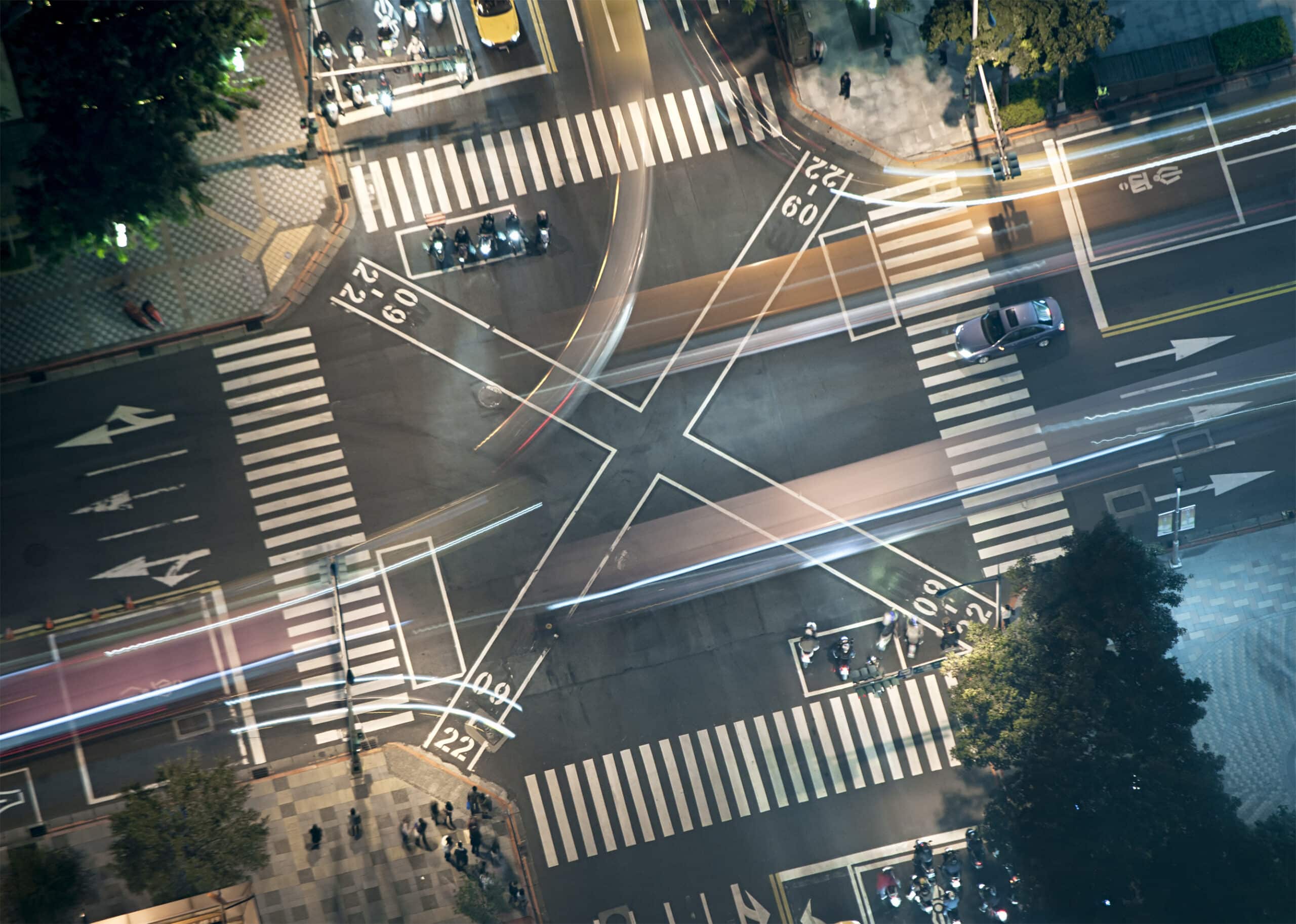
As one of the first established cities in the U.S., the city of Boston enjoys a rich tradition and patriotism few places can replicate. Unfortunately, the longevity of the city can pose its own set of problems. Boston’s streets were laid out long before modern traffic volumes existed, and that history shows up in the city’s crash statistics every year. The 2025 Allstate America’s Best Drivers Report reveals that Boston drivers are nearly 3.5 times as likely to be in a collision compared to the national average, making it the most collision-prone city in the nation. But where exactly are the worst and most dangerous intersections in Boston and why is it important to understand?
Knowing where these hot-spots are located, and why they generate so many collisions, helps drivers, cyclists, and pedestrians navigate the city more safely. This guide covers the intersections that consistently appear in city and state crash data, the design and traffic factors that make them hazardous, and what injured victims in Massachusetts should know about pursuing a claim after a crash.
Why Certain Intersections Generate More Crashes
Before identifying which are the most dangerous intersections in Boston, it’s important to identify the typical causes behind each area. Several recurring factors explain why the same locations show up in crash reports year after year. Many of Boston’s busiest intersections combine narrow, centuries-old street layouts with modern traffic volumes the roads were never designed to handle.
Confusing lane configurations, limited sight lines, and outdated signal timing all contribute to driver error. Heavy pedestrian and cyclist traffic near hospitals, transit stops, and commercial corridors adds another layer of risk, since these locations see constant conflict points between vehicles and people on foot or on bikes. Proximity to highway on-ramps and off-ramps introduces high-speed merging traffic into intersections built for local, slower-moving vehicles.
When these conditions come together, they combine the perfect or most unfortunate set of circumstances that makes so many interactions across the city a recipe for crashes.
Massachusetts Avenue and Melnea Cass Boulevard
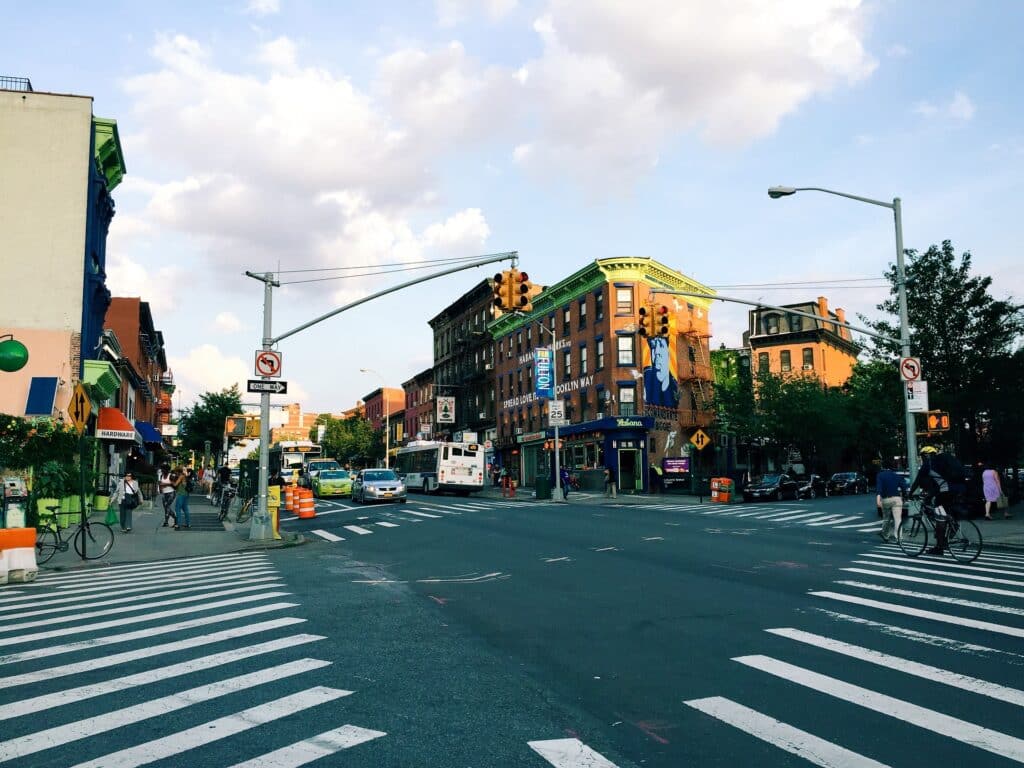
Known locally as Mass. and Cass, Massachusetts Avenue and Melnea Cass Boulevard is regularly identified as the single most dangerous crossing in Boston. The area sits near Boston Medical Center, which generates a steady stream of vehicle and pedestrian traffic, including ambulances responding to emergencies. Large trucks headed to Newmarket Square add further congestion, and the intersection’s proximity to Interstate 93 means drivers frequently enter the area at highway speeds before slowing for local traffic. The combination of medical center traffic, truck volume, and highway proximity creates conditions where split-second decisions carry serious consequences.
Massachusetts Avenue and Albany Street
Massachusetts Avenue and Albany Street is not too far away from Massachusetts Avenue and Melnea Cass Boulevard, and it shares many of the same risk factors. A substantial number of the crashes at the intersection involve pedestrians and cyclists. The dense concentration of medical facilities, bus routes, and delivery traffic in this corridor makes it one of the most heavily monitored areas in the city’s Vision Zero safety program.
Morton Street and Harvard Street
The Morton Street and Harvard Street intersection has consistently recorded more motor vehicle crashes than nearly any other location in Boston proper, with injury crashes outnumbering property-damage-only incidents. The intersection sits at a busy commercial crossroads in Dorchester, where multiple bus routes converge with heavy local traffic. Confusing turn lanes and constant pedestrian crossings contribute to the frequency of collisions here.
Gallivan Boulevard and Dorchester Avenue
Gallivan Boulevard and Dorchester Avenue appears repeatedly in state crash reports, including the Massachusetts Department of Transportation’s list of the state’s most hazardous locations. Its layout combines multiple turning movements with steady commuter traffic, creating frequent conflict points between vehicles making left turns and oncoming traffic.
Massachusetts Avenue and Huntington Avenue
Cyclists face particular risk at Massachusetts Avenue and Huntington Avenue because of vehicles turning right across designated bike lanes. This design conflict, common at many older Boston intersections, puts cyclists directly in the path of turning vehicles that may not see them in time to stop. The intersection sits along a heavily traveled corridor connecting the Back Bay and South End neighborhoods, adding to its overall traffic volume.
Columbia Road and the Southeast Expressway
The convergence point at Columbia Road and the Southeast Expressway creates one of the most demanding driving environments in the city. High-speed traffic exiting the expressway merges with local Columbia Road traffic, and the intersection has recorded hundreds of crashes over long-term studies. Even experienced drivers can find the merging pattern difficult to navigate, particularly during peak commuting hours.
N. Washington Street and the Central Artery
The N. Washington Street and the Central Artery intersection ranks among the state’s most crash-prone locations, largely due to its position where local streets connect with major highway infrastructure. The mix of through traffic, highway access, and pedestrian activity near the waterfront creates a challenging environment for all road users.
What to Do If You Are Involved in a Crash at a Dangerous Intersection
Taking the right steps after a crash protects your health and your legal rights. Calling 911 and requesting medical attention comes first, since some injuries do not produce symptoms right away. Documenting the scene with photos of vehicle positions, traffic signals, road conditions, and any visible injuries creates evidence that can support a claim later.
Obtaining a copy of the police report and the contact information of any witnesses preserves an independent record of what happened. Seeking follow-up medical care and keeping records of all treatment connects your injuries directly to the crash. Contacting a Massachusetts car accident lawyer before speaking with an insurance adjuster helps protect victims from statements that could be used to reduce compensation.
Understanding Liability and Compensation in Massachusetts
Massachusetts follows a modified comparative negligence rule which allows an injured person to recover damages as long as they are not more than 50% at fault for the crash. However, their compensation is reduced by their percentage of fault. This rule matters at dangerous intersections in Massachusetts, where multiple vehicles, cyclists, and pedestrians may share a portion of responsibility for a collision.
Massachusetts also requires drivers to carry personal injury protection, or PIP, coverage, which pays initial medical expenses regardless of fault. Serious injuries that exceed the PIP threshold may allow an injured person to pursue a claim against the at-fault driver for additional damages, including pain and suffering, lost wages, and long-term medical costs.
In cases involving a fatal crash, Massachusetts wrongful death law allows certain family members to pursue compensation for the loss of a loved one. These claims involve their own procedural requirements and deadlines, so timely guidance from a wrongful death lawyer in Massachusetts matters.
Injured at a Dangerous Boston Intersection? Contact a Personal Injury Lawyer Today
The density of Boston’s roadways make commuting around the city a hazardous endeavor every day of the year. Boston’s most dangerous intersections put drivers, cyclists, and pedestrians at risk and the aftermath of a crash can leave victims facing medical bills, lost income, and an uncertain path forward. Our Boston auto accident attorneys at d’Oliveira & Associates understand how these crashes happen and how to build a strong claim on your behalf. With 19 office locations across Rhode Island and Massachusetts, we make it easy to get the help you need close to home.
We offer free consultations and work on a contingency fee basis, so you pay no fee unless we win your case. Our team is available 24/7 to answer your questions and start protecting your rights right away. Call our Massachusetts personal injury law firm at 1-800-992-6878 today or submit a personal injury consultation to find out how we can help you move forward after a Boston intersection crash.
Boston Personal Injury Law Firm / d’Oliveira & Associates, p.c.
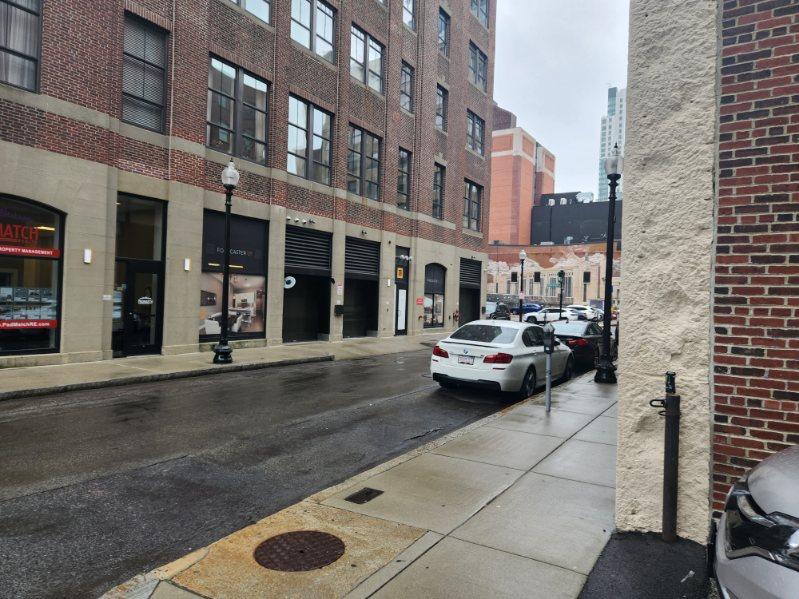
76 Canal Street #302
Boston, MA 02114
(617) 544-3399
Sources
- https://www.allstatenewsroom.com/news/2025-allstate-americas-best-drivers-report-reveals-the-safest-and-riskiest-driving-cities/
- https://www.bu.edu/articles/2023/boston-intersection-mass-and-cass-opioid-overdose-crisis/
- https://www.boston.gov/departments/transportation/vision-zero
- https://www.mass.gov/info-details/top-crash-locations-and-maps
📞 (401) 200-3849 | 🌐 www.good-legal-advice.com