


Every day, postal workers and delivery drivers walk up unfamiliar driveways, approach front porches, and step onto private properties where a dog may be waiting. Dog bites are one of the most common occupational hazards these workers face, and the injuries can be serious. Torn muscle, nerve damage, facial scarring, and lasting psychological trauma are all realistic outcomes of a serious attack.
If you deliver mail or packages for a living and a dog has bitten you, you have legal rights that extend beyond a simple workers’ compensation claim. Understanding those rights and hiring an experienced dog bite lawyer in Rhode Island and Massachusetts can make a meaningful difference in your recovery and your financial stability while you heal.
Why Postal Workers and Delivery Drivers Face Higher Dog Bite Risk

Mail carriers, USPS employees, FedEx and UPS drivers, and Amazon delivery workers enter thousands of properties each year. Their jobs require them to approach homes on foot, often stepping into yards or onto porches where a homeowner’s dog has free range. Dogs are naturally territorial, and a uniformed worker carrying a bag or pushing a hand truck can trigger a defensive or protective response, even from a dog with no prior history of aggression.
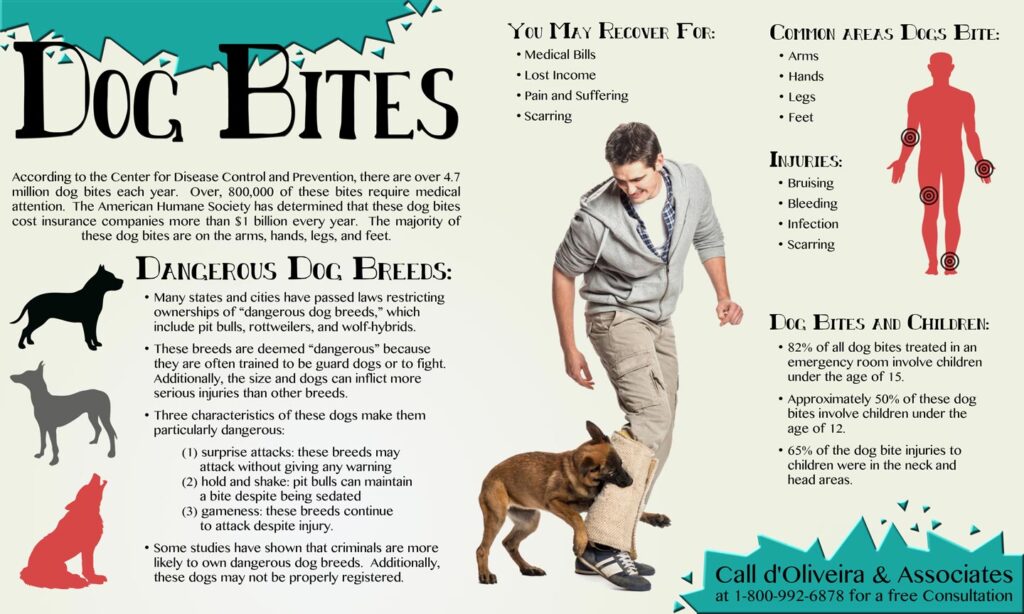
On average, over 330,000 emergency room visits each year are related to dog bites, with over 5,200 dog attacks reported from United States Postal Service carriers nationwide. Rhode Island and Massachusetts communities are no exception, and both states see regular incidents involving delivery workers bitten while performing their assigned routes.
Two Paths to Compensation: Workers’ Comp and Third-Party Claims
Postal workers and delivery drivers injured by a dog bite on the job typically have access to two separate avenues for financial recovery. Understanding both is important because pursuing only one may leave significant injury compensation from a dog bite on the table.
Workers’ Compensation Coverage

If you are injured by a dog bite while performing your job duties, workers’ compensation should cover your medical treatment and a portion of your lost wages, regardless of who was at fault. This applies whether you work for a private delivery company or as a contractor for a company operating in Rhode Island or Massachusetts.
USPS employees are covered under the Federal Employees’ Compensation Act (FECA) rather than state workers’ compensation systems. FECA provides medical benefits and wage replacement for federal workers injured in the course of their duties, including dog bite incidents that occur during mail delivery.
Workers’ compensation and FECA benefits provide an important safety net, but they come with limitations. These systems generally do not compensate you for pain and suffering, emotional distress, or the full extent of your lost earning capacity if you’re left with a lasting impairment.
Third-Party Liability Claims Against the Dog Owner
This is where a separate legal path becomes critical. In addition to workers’ compensation or FECA benefits, you may have the right to file a third-party claim directly against the dog owner or their homeowner’s insurance policy.
Rhode Island law holds dog owners strictly liable for injuries their dog causes, meaning you generally do not need to prove the owner was negligent or that the dog had a history of biting. Massachusetts follows a similar strict liability standard under state law, holding owners responsible for damages when their dog bites someone who is lawfully on the property or in a public space, such as a delivery route.
A third-party claim allows you to pursue compensation for damages that workers’ compensation does not cover, including full pain and suffering, permanent scarring, emotional trauma, and the complete value of your lost income rather than the partial wage replacement workers’ comp typically provides.
Common Objections and Concerns From Injured Workers
After a dog bite on the job, it’s natural to have questions about what comes next, especially when the injury happened on someone else’s property while you were simply doing your work. Many postal workers and delivery drivers hesitate to pursue a claim because of confusion about their rights or concern over the process ahead. Below are some of the questions we hear most often from injured workers in Rhode Island and Massachusetts, along with straightforward answers to help you understand where you stand.
Mail carriers and delivery drivers are legally permitted to be on a homeowner’s property to perform their job duties. This lawful presence supports your right to pursue a claim under both Rhode Island and Massachusetts dog bite statutes. Being on someone’s porch or in their driveway to deliver mail or a package does not weaken your legal position.
Workers’ compensation and a third-party injury claim are two separate legal processes. Filing one does not automatically trigger or protect your rights under the other. Many injured workers assume workers’ comp is their only option and miss the opportunity to recover full compensation through a claim against the dog owner’s insurance.
Rhode Island and Massachusetts dog bite laws impose strict liability on owners in most circumstances, meaning a prior bite history is not required to hold the owner responsible for your injuries. A dog with no known history of aggression can still result in a valid claim.
Our attorneys handle dog bite and workplace injury cases on a contingency fee basis, meaning there is no fee unless you win your case. Your initial consultation with us is always free, and you owe nothing out of pocket to get started.
Frequently Asked Questions About Dog Bite Injuries
Every dog bite case involving a postal worker or delivery driver comes with its own set of circumstances, but certain questions come up again and again. Here are answers to some of the most common questions we receive about occupational dog bite claims in Rhode Island and Massachusetts.
Yes. Rhode Island and Massachusetts law both allow injured delivery workers to pursue compensation from a dog owner when the bite occurs while the worker is lawfully performing job duties on or near the owner’s property.
Most homeowner’s and renter’s insurance policies include liability coverage for dog bites. This coverage is often the source of compensation in a third-party claim, separate from any workers’ compensation benefits you receive.
Provocation can be raised as a defense in some dog bite cases. Dog bite attorneys in Massachusetts and Rhode Island investigate the full circumstances of the attack, including any camera footage, witness statements, and route documentation, to counter unfounded claims of provocation.
Rhode Island generally allows three years from the date of injury to file a personal injury claim, while Massachusetts generally allows three years as well. Deadlines can vary based on the specifics of your situation, so it’s important to speak with an attorney as soon as possible after your injury.
A third-party claim is filed against the dog owner’s insurance, not your employer. Pursuing this type of claim should not affect your employment or your employer’s workers’ compensation costs.
Speak With Our Attorneys About Your Dog Bite Injury in Rhode Island or Massachusetts

If you were bitten by a dog while delivering mail or packages in Rhode Island or Massachusetts, you deserve full compensation for your injuries, not just the partial benefits workers’ compensation provides. At d’Oliveira & Associates, our dog bite attorneys understand the unique challenges postal workers and delivery drivers face, and we fight to secure the compensation you need to recover physically and financially.
With 19 office locations across Rhode Island and Massachusetts, we make it easy to get the personal attention your case deserves. Our consultation is always free, and we work on a contingency fee basis, so you pay no fee unless we win your case.
Call us at 1-800-992-6878 today or request your free case evaluation. We’re available 24/7 to talk through what happened and explain your legal options.
Sources
- https://about.usps.com/newsroom/national-releases/2026/0528-postal-service-names-top-cities-and-states-for-dog-attacks-on-mail-carriers.htm
- https://pmc.ncbi.nlm.nih.gov/articles/PMC6431755/

📞 (401) 200-3849 | 🌐 www.good-legal-advice.com